Source Explosion Proof Waterproof Solenoid Valve for Industrial, Household, and Water Usage
Find and compare 30 Explosion Proof Waterproof Solenoid Valve options from Chinese suppliers. Buyers can evaluate models like FLAME and CMC561T6 for gas, water, and air applications with direct-acting structures and various pressure ratings.
Key considerations
Products List

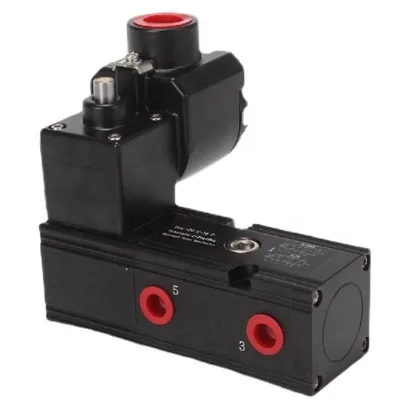


Explosion-Proof Gas Solenoid Valve (CE1S-E)
$31.00 - $132.00
MOQ: 1 Sets
Zhejiang Yongjiu Scientific & Technological Industrial Co., Ltd.


Comprehensive Sourcing Guide
Strategic Sourcing Guide for Explosion-Proof Waterproof Solenoid Valves
Selecting the correct solenoid valve for hazardous environments requires a disciplined approach that balances technical performance with rigorous safety compliance. The core keyword "explosion-proof waterproof solenoid valve" indicates a component designed to contain internal explosions and prevent ignition of external atmospheres while maintaining integrity against water ingress. Buyers must navigate a complex landscape of actuator types, material compositions, and certification standards to ensure operational safety and reliability. This guide outlines the critical factors for procurement, drawing on observed market data and technical specifications to provide a framework for informed decision-making.
Technical Architecture and Actuation Mechanisms
The fundamental distinction in sourcing these valves lies in the actuation mechanism and valve structure. Market observations reveal a diversity of configurations, ranging from electric and pneumatic actuators to direct-acting piston and diaphragm structures. The choice between a direct-acting piston structure and a direct action diaphragm structure often depends on the specific fluid dynamics and pressure requirements of the application. For instance, a direct-acting piston structure is frequently cited in safety applications involving gas media, whereas diaphragm structures may be preferred for broader media compatibility including air, water, oil, and gas.
Power supply is another critical technical variable. The observed product landscape includes both DC and AC solenoid valves, with specific models supporting distinct voltage requirements. The power source must align with the facility's electrical infrastructure. Furthermore, the working pressure range is a decisive factor; data indicates operational pressures can vary significantly, with some units rated for ordinary pressure while others are engineered for higher demands, such as 2.5 MPa or working ranges between 1-8 Bar. The valve's ability to handle these pressures without failure is paramount in preventing leaks that could lead to hazardous situations.
Temperature tolerance is equally vital. Units are observed to operate within specific ambient and working temperature ranges, such as -10°C to 80°C for working temperatures and -15°C to 60°C for ambient conditions. Selecting a valve with a temperature rating that exceeds the maximum expected environmental stress ensures longevity and prevents material degradation. The color and physical dimensions, such as port sizes of 1/2", 3/4", or 1", also influence the integration process, requiring precise matching with existing piping systems.
Compliance, Certification, and Safety Standards
In the realm of explosion-proof equipment, compliance is not merely a suggestion but a legal and safety imperative. The presence of specific standards in the product data, such as DIN and CE, provides a baseline for quality and safety, but buyers must verify the specific explosion-proof certifications relevant to their region and industry. The observed "Ex Grade: Exdi" specification points to a specific type of explosion protection, likely indicating a flameproof enclosure suitable for specific gas groups. However, the absence of a universal standard in the general data means that buyers must explicitly request and verify the certification documents for the specific model number, such as BDV510C5 or CMC561T6, rather than assuming all listed products carry the same certification.
Waterproofing is intrinsically linked to the explosion-proof rating. A valve that is not adequately sealed against water ingress can compromise the explosion-proof integrity of the enclosure. While the term "waterproof" is central to the search query, the specific Ingress Protection (IP) rating is not explicitly detailed in the general facts. Therefore, procurement teams must demand the IP rating (e.g., IP65, IP67) from the supplier to confirm the level of protection against dust and water jets or immersion. The material composition, such as Alloy, Brass, or SS304, also plays a role in corrosion resistance, which is essential for maintaining the seal integrity in wet environments.
Cost Drivers and Economic Considerations
The cost of explosion-proof waterproof solenoid valves is influenced by a complex interplay of factors, including material quality, certification complexity, and actuation technology. The observed price range in the market is vast, spanning from $0.9 to $3,140 USD. This wide disparity reflects the difference between basic industrial components and highly specialized, certified units designed for extreme conditions. High-cost units typically incorporate premium materials like SS304, advanced explosion-proof certifications, and complex actuation systems capable of handling high pressures or corrosive media.
Minimum Order Quantity (MOQ) is another significant economic driver. The market data shows an MOQ range from 1 to 5,000 units. Buyers seeking small quantities for pilot projects or maintenance replacements may find suppliers with low MOQs, though these often come with a higher unit price. Conversely, large-scale industrial deployments can leverage bulk purchasing to reduce per-unit costs, provided the supplier can accommodate the volume. Customization is listed as available, which can impact pricing; OEM support and specific model configurations (e.g., FLAME, 4m310-08) may incur additional tooling or engineering fees. Buyers should request detailed cost breakdowns to understand the premium associated with specific features like explosion-proofing or specialized packing.
Typical Applications and Operational Environments
The versatility of these valves is evident in their diverse application profiles. They are utilized in household, industrial, and water industrial usage scenarios, serving functions ranging from flow control and temperature control to safety shutdowns and drainage. The specific mention of "Safety" as a usage category highlights their critical role in emergency stop systems and pressure relief mechanisms. In hazardous environments, such as chemical processing plants or oil and gas facilities, the valve's ability to handle gas media safely is paramount.
The working medium compatibility further defines the application scope. Units capable of handling air, water, oil, and gas offer flexibility for multi-purpose systems. However, the specific media must be compatible with the valve's internal materials to prevent corrosion or degradation. For example, brass and alloy constructions are common, but the selection must be validated against the chemical properties of the fluid being controlled. The application also extends to general control systems where precise actuation is required. The integration of these valves into larger systems often involves considerations for the connection form, with thread connections being a standard interface.
Supplier Evaluation and Customization Capabilities
Evaluating suppliers requires a focus on their ability to provide verified technical data and customization support. The availability of OEM (Original Equipment Manufacturer) support is a key indicator of a supplier's flexibility and manufacturing capability. Buyers should assess whether the supplier can tailor the valve's specifications, such as port size, pressure rating, or actuation type, to meet unique project requirements. The observed "Customization: Available" attribute suggests that many manufacturers are willing to adapt their standard models, but the extent of this customization must be clarified during the negotiation phase.
Origin and logistics are also critical factors. The data indicates that many products originate from China, a major hub for industrial valve manufacturing. While this offers competitive pricing, buyers must verify the supplier's quality control processes and export compliance. The packaging methods, ranging from simple plastic bags to complex PP boxes and cartons, reflect the supplier's attention to product protection during transit. For sensitive explosion-proof components, robust packaging is essential to prevent damage that could compromise safety ratings. Buyers should request samples or detailed packaging specifications to ensure the product arrives in optimal condition.
Quality Control and Long-Term Procurement Strategy
Ensuring long-term reliability requires a robust quality control strategy. Buyers should verify that the supplier adheres to recognized standards, such as DIN, and that the products undergo rigorous testing for explosion-proof integrity and waterproofing. The observed specifications, such as the "Ex Grade: Exdi" and specific working pressure limits, must be validated against independent test reports. Relying solely on the product listing is insufficient; third-party certification is necessary to confirm that the valve meets the required safety standards for the intended environment.
Long-term procurement considerations include the availability of spare parts, the consistency of product quality, and the supplier's ability to scale with demand. The wide range of MOQs suggests that suppliers may have different capacities for small and large orders. Buyers should establish a relationship with a supplier who can provide consistent quality over time and support maintenance needs. The "Selling Units: Single item" observation indicates that individual purchases are possible, but for ongoing operations, a contract for supply is advisable. Additionally, the weight of the unit, such as the 3.3kg observation, should be considered for installation logistics and structural support requirements.
Comparative Analysis of Key Specifications
To facilitate decision-making, the following table summarizes the key technical attributes observed in the market for explosion-proof waterproof solenoid valves. This comparison highlights the variability in specifications that buyers must navigate.
| Attribute | Observed Range / Options | Critical Verification Point |
|---|---|---|
| Actuator Type | Electric, Pneumatic | Verify compatibility with power source and control system. |
| Valve Structure | Direct-Acting Piston, Direct Action Diaphragm | Match to fluid viscosity and pressure requirements. |
| Working Pressure | Ordinary Pressure, 1-8 Bar, 2.5 MPa | Ensure rating exceeds maximum system pressure. |
| Working Temperature | -10°C to 80°C, Ambient -15°C to 60°C | Confirm suitability for local environmental conditions. |
| Media Compatibility | Gas, Air, Water, Oil | Validate chemical resistance with internal materials. |
| Certification | CE, DIN, Ex Grade (Exdi) | Request specific explosion-proof certificates for region. |
| Material | Alloy, Brass, SS304 | Select based on corrosion resistance and media type. |
| Port Size | 1/4in, 1/2", 3/4", 1" | Match to existing piping and flow rate requirements. |
| Power Supply | DC Solenoid, AC Solenoid | Align with facility electrical standards. |
This table serves as a checklist for buyers to ensure all critical parameters are addressed during the sourcing process. By systematically evaluating each attribute against project requirements, buyers can mitigate risks associated with equipment failure and safety hazards. The diversity of options underscores the need for a detailed technical review before finalizing any procurement decision.
Conclusion
Sourcing explosion-proof waterproof solenoid valves demands a meticulous approach that prioritizes safety, compliance, and technical fit. The market offers a wide array of options, from basic electric actuators to complex pneumatic systems with high-pressure ratings. However, the presence of diverse specifications means that buyers cannot rely on general product descriptions alone. Verification of specific certifications, material compatibility, and operational limits is essential. By adhering to the guidelines outlined in this guide, procurement teams can select valves that not only meet immediate operational needs but also ensure long-term safety and reliability in hazardous environments. The ultimate goal is to integrate components that function seamlessly within the broader system while maintaining the highest standards of industrial safety.
FAQs
What actuator types are available for explosion proof waterproof solenoid valves?
Electric and pneumatic actuators are available for these valves. The selection depends on the specific application, with electric types often used for direct control and pneumatic types for rapid response in hazardous environments.
Which valve structures are common for gas media safety applications?
Direct-acting piston structures are commonly used for gas media safety applications. These structures provide reliable sealing and are suitable for ordinary pressure conditions where safety is the primary usage requirement.
Can these valves operate in extreme temperature ranges?
Yes, they can operate within specific temperature ranges like -10 to 80 degrees Celsius for working conditions. Ambient temperatures may range from -15 to 60 degrees Celsius, ensuring reliability in various industrial environments.
What certifications are typically associated with these explosion proof valves?
Certifications such as CE, DIN, and specific Ex Grades like Exdi are associated with these valves. Buyers must verify specific documents for models like BDV510C5 to ensure compliance with regional safety standards.
Which materials are used to construct these solenoid valves?
Materials include Alloy, Brass, and SS304 for corrosion resistance. The choice depends on the working medium, such as air, water, oil, or gas, to prevent degradation in wet or hazardous conditions.
What is the typical working pressure range for these valves?
Working pressure ranges vary from ordinary pressure up to 2.5 MPa or 1-8 Bar. Selecting a valve requires matching the rating to the maximum system pressure to prevent leaks and ensure safety.
Can buyers request customization for these solenoid valves?
Customization is available including OEM support and specific model configurations. Buyers can request tailored specifications for port sizes, pressure ratings, or actuation types to meet unique project requirements.